Looking for reliable painters in Jan Juc? Fairhaven Painting provides premium interior and exterior painting services for coastal homes, holiday properties, weatherboard houses, rendered facades and modern architectural homes throughout Jan Juc and the Surf Coast. Whether you’re refreshing your family home, preparing a property for sale, or maintaining a beachside investment, our experienced local painters deliver meticulous preparation, premium Dulux and Haymes coatings, and workmanship you can trust.
We'll assess your home and provide a written quote no obligation.
🔒 We respond within one business day. No spam, ever.
We've worked on homes right across the Surf Coast from exposed frontages along The Esplanade and Carnarvon Avenue near Jan Juc Beach, to more sheltered streets around Bell Street and Sunset Strip further back from the water and we understand how conditions differ from one side of a property to the other. That local knowledge shows up in how we prepare surfaces and which products we specify.
Every coating failure we've seen in Jan Juc traces back to inadequate preparation. We don't rush it. Salt washing, mould treatment, primer on bare timber these steps add time upfront and years to the back end of the job.
You'll receive a written quote that breaks down exactly what's included preparation, repairs, number of coats, products used, and areas covered. No surprises mid-job, and no vague line items that expand after you've said yes.
We let you know when we're starting, what we're doing each day, and flag anything unexpected as we find it. Holiday homeowners can manage the whole job remotely we handle access and provide updates and photos throughout.
We protect landscaping, mask surfaces carefully, and leave the site tidy at the end of every day. If you're living in the home during the job, you should barely notice we're there between coat applications.
Our jobs come with a workmanship warranty. If something doesn't hold up the way it should, we come back and sort it without it becoming an argument about what's covered and what isn't.
Customer Reviews
EXCELLENTTrustindex verifies that the original source of the review is Google. Kaj was so great to deal with and a pleasure to have working for us. He did a super neat job in a timely fashion. We would highly recommend Kaj to anyone looking for someone to do a great job.Posted on GoogleTrustindex verifies that the original source of the review is Google. Highly recommended. Kaj was polite, professional and did an excellent job painting the interior of my housePosted on GoogleTrustindex verifies that the original source of the review is Google. Highly recommend Kaj... very efficient and responsive and great quality workmanshipPosted on GoogleTrustindex verifies that the original source of the review is Google. Kaj did a wonderful paint job for us. Very keenly priced and first class workmanship. Very careful and worked extremely quickly. Can thoroughly recommend. Kaj and his team have recently completed painting a tricky internal stairwell for me. Once again a first rate job, on time and clean. Very satisfied.Posted on GoogleTrustindex verifies that the original source of the review is Google. Kaj and his team did an amazing job at my Fairhaven property. Communication with Kaj was excellent at all times and he assisted with colour choice. He gave me a realistic estimate of when he would be able to start and kept me up-to-date at all times. The quality of work was excellent and it was a pleasure to do business with him. I would definitely recommend Kaj for high-quality painting.Posted on GoogleTrustindex verifies that the original source of the review is Google. Kaj painted all the windows in our house in Fairhaven, fantastic job, and a great guy to deal with.Posted on GoogleTrustindex verifies that the original source of the review is Google. Kuljinder and his team have painted two properties for us and their quality is to a very high standard. Very professional and easy to deal with.Posted on GoogleTrustindex verifies that the original source of the review is Google. Many thanks to the team for a great job , corteous , on time and great attention to detail

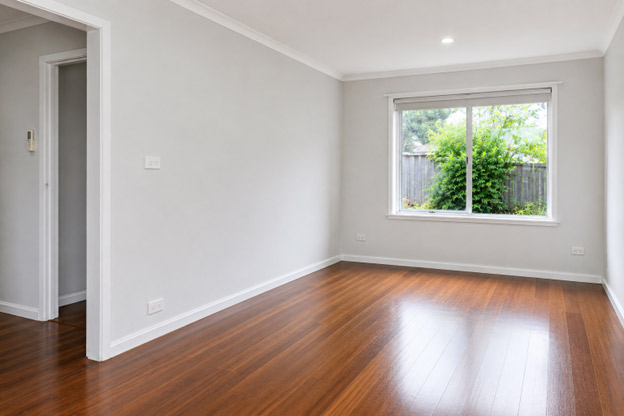
Colour refreshes and full interior repaints for Jan Juc homes, holiday lets, and investment properties. We work around your schedule and leave the site clean at the end of every day.

Full exterior repaints using UV-stabilised, salt-resistant acrylic systems. We don't cut corners on prep every surface is washed, repaired, primed, and painted correctly the first time.

Weatherboard homes need more preparation than any other substrate in a coastal environment. We handle all pre-existing paint failures, timber repairs, and gap sealing before a single drop of topcoat goes on.

Coastal decks and outdoor timber take a serious beating from UV and salt exposure. The right coating system, properly applied and maintained, adds years to the life of any outdoor timber.
Realistic starting figures for Jan Juc homeowners, not marketing minimums. Coastal homes often carry higher preparation costs than an equivalent inland job – every quote is confirmed after an on-site inspection.
| Service | Typical Scope | Starting Price |
|---|---|---|
| Exterior – Single Storey | Standard 3-bedroom home, full exterior repaint | $3,500 – $6,000 |
| Exterior – Two Storey | Larger coastal home, full exterior repaint | $6,000 – $8,000+ |
| Weatherboard Exterior | Full timber preparation, repairs & premium coating system | $5,800 – $9,500+ |
| Interior – Single Room | Walls, ceilings and trims | $450 – $800 |
| Interior – Full Home | 3–4 bedroom home, all rooms included | $4,200 – $7,500 |
| Deck & Timber Coating | Standard timber deck with UV-protective oil finish | $800 – $2,200 |
| Salt Wash & Mould Treatment | Pre-paint preparation and mould removal per property | From $450 |
| Holiday Home Refresh | Interior and exterior touch-up before guest arrivals or sale | From $1,800 |
Note: coastal homes often need additional preparation – salt washing, mould treatment and more extensive priming – which affects final price more than it would inland. We provide free on-site quotes with a full written breakdown so you know exactly what you’re paying for before work begins.
Jan Juc sits directly on the Surf Coast, and salt particles carried in the sea breeze deposit on exterior surfaces year-round. Salt is hygroscopic it draws moisture from the air which means paint films stay wet longer, blistering starts sooner, and adhesion breaks down faster than it would even a few kilometres inland. Before any paint goes on, surfaces must be thoroughly washed and all salt residue removed.
Jan Juc's ocean-facing properties particularly those near The Esplanade and Jan Juc Beach are exposed to persistent onshore winds that drive salt spray directly into painted surfaces. These winds also carry abrasive sand particles that gradually erode paint films. North and west-facing walls tend to degrade fastest, while south-facing walls can stay damp for longer periods, encouraging mould growth.
The Surf Coast receives some of Victoria's highest UV levels, particularly through summer. UV radiation breaks down paint binders over time, causing chalking, fading, and eventually a powdery surface that loses its protective properties entirely. Quality paints with UV stabilisers are essential on Jan Juc exteriors standard trade paints often degrade significantly faster in coastal sun.
Coastal moisture levels in Jan Juc are consistently higher than inland areas. Overnight humidity, morning dew, and sea mist create a cycle of wetting and drying that accelerates paint failure on timber and render surfaces alike. Breathable, flexible paint systems that allow moisture vapour to escape rather than trap it are critical for long-term performance here.
Jan Juc is known for rapid weather changes hot inland winds followed by cool southern changes, all within the same day. These temperature swings cause expansion and contraction in painted surfaces. Brittle or low-flexibility paint films crack under this movement, which allows moisture in. Flexible acrylic systems perform significantly better in these conditions than older oil-based alternatives.
A large proportion of Jan Juc homes are weatherboard construction and timber is the most demanding substrate to paint in a coastal environment. It moves seasonally, can hold moisture, and is prone to peeling if the preparation and primer selection aren't right. Weatherboard homes near the ocean need a full paint system review every few years to catch early signs of failure before timber repairs become necessary.
| Factor | Coastal Home (Jan Juc) | Inland Home (Geelong suburbs) |
|---|---|---|
| Exterior repaint cycle | 5–8 years | 8–12 years |
| Salt residue wash needed | Yes – essential before repainting | No |
| Mould/mildew risk | High – especially south-facing walls | Low to moderate |
| UV degradation rate | Accelerated | Standard |
| Paint system required | UV-stabilised, flexible, mould-resistant | Standard exterior acrylic |
| Timber weatherboard prep | Penetrating primer + full sanding critical | Standard spot prime often sufficient |
| Inspection frequency | Every 2–3 years | Every 4–5 years |
| Deck/timber re-coating | Every 2–3 years | Every 3–5 years |

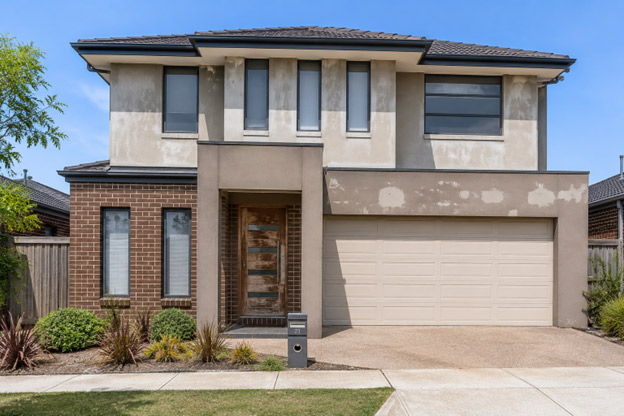
When the paint binder breaks down from UV exposure, the surface becomes powdery and the colour fades. This is extremely common on north and west-facing walls in Jan Juc. It's not just cosmetic a chalked surface has lost its water resistance. The fix requires a full wash, a bonding primer, and a quality UV-stabilised topcoat.

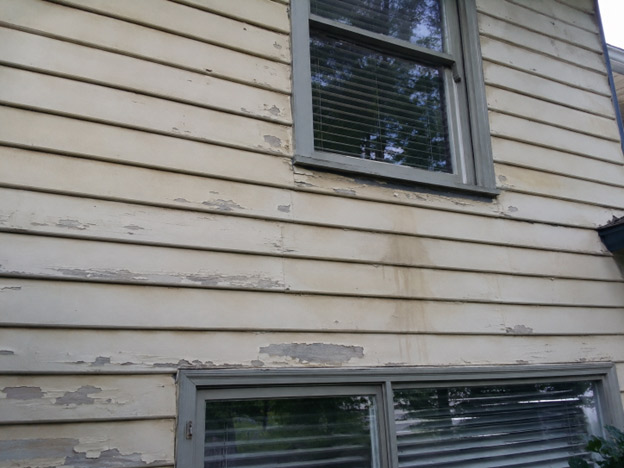
Peeling paint on weatherboard homes is almost always caused by moisture getting behind the paint film usually through gaps in the caulking, failed primers, or surfaces that were painted before being properly dried or cleaned. In coastal homes, this process accelerates because salt residue left on the surface prevents proper adhesion from the start.

South and east-facing walls that don't dry out quickly after rain are prone to mould growth in Jan Juc's humid coastal climate. Standard repainting without mould treatment only covers the problem temporarily the mould grows back through the new coat within months. Proper treatment involves biocide washing, allowing the surface to dry completely, then using a paint product with mould inhibitors.

Homes closest to Jan Juc Beach and The Esplanade often show surface pitting tiny holes in the paint film where salt deposits have drawn moisture through. Once visible to the naked eye, the substrate beneath is already being affected. These areas need hand-sanding, spot priming with a penetrating primer, and careful surface filling before repainting.

Uncoated or poorly coated timber exposed to coastal weather turns grey and fibrous over time as UV breaks down the surface wood fibres. This grain-raised surface needs sanding back before any coating will adhere properly. Skipping this step is a major reason many weatherboard repaints in Jan Juc fail within two to three years.

Nail heads, fixings, and metal flashings on coastal homes are susceptible to rust and once rust forms beneath a paint film, it bleeds through within months. Before repainting, all exposed or corroding fixings should be countersunk and filled, or treated with a rust converter primer before the topcoat system goes on. This is a step many painters skip, and it shows within a year.
Homes within a few hundred metres of Jan Juc Beach or along The Esplanade experience the highest salt load and wind exposure. Weatherboard homes in these positions need the most frequent attention.
Weatherboard homes set back from the foreshore, or sheltered by vegetation or neighbouring properties, tend to hold up a little longer but salt air still penetrates and timber still moves seasonally.
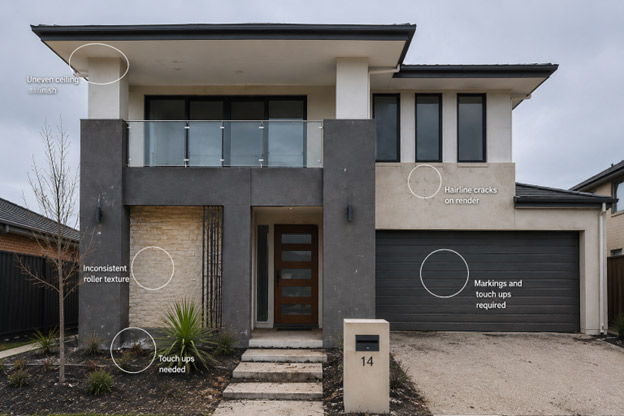
Rendered homes are generally more forgiving in coastal conditions than timber, but they're prone to hairline cracking that allows moisture ingress. Regular inspection and crack sealing extends the coating life significantly.
Face brick generally doesn't need repainting in the traditional sense, but if brick has been previously painted, a coastal repaint cycle of 10 to 15 years is realistic with quality products and good prep.
Horizontal surfaces take the most UV punishment. Decks and outdoor timber at Jan Juc need re-coating every 2 to 3 years to maintain water resistance and prevent splitting, regardless of what product was used.
Holiday homes sit unoccupied for extended periods, meaning mould and moisture issues can go unnoticed. We recommend a condition inspection every couple of years, with repainting on a 5 to 8 year cycle.
High-Pressure Salt Wash
Mould & Biocide Treatment
Any surfaces showing mould or dark staining are treated with a biocide solution and allowed to dwell before rinsing. Painting over untreated mould guarantees the problem returns.
Sanding & Feathering
Gap Filling & Caulking
Priming Bare Surfaces
Premium acrylics from Dulux and Taubmans specifically designed to resist UV degradation and colour fade. These products maintain film integrity significantly longer on sun-exposed coastal elevations.
For shaded or south-facing elevations, we specify paints with built-in fungicide content to slow mould re-establishment, giving you more time between maintenance cycles.
Modern flexible acrylics move with substrate expansion and contraction rather than cracking. On timber homes, this is critical and it's why the old oil-based systems have largely been replaced for exterior work on Surf Coast homes.
On weatherboard and raw timber, we use primers that soak into the wood grain rather than forming a surface film. This creates a bond that holds through seasonal movement and resists the delamination that causes peeling on coastal homes.
Choosing a colour for a coastal home involves more than personal taste. The right palette protects the home better, holds its appearance longer, and for investment properties and holiday rentals maximises street appeal and resale value.
1
Sit naturally in the coastal landscape. Light enough to reflect heat, warm enough to feel inviting. Hold their appearance well between repaints.
2
Complement the tea tree and native vegetation around Jan Juc properties beautifully. Trending strongly on the Surf Coast and holding resale appeal.
3
Classic coastal choices that age well and photograph beautifully for short-stay and Airbnb listings. Keep adjacent trim colour warm rather than stark white.
4
Dramatically contemporary on modern Jan Juc homes. Absorbs more heat use on walls with some shade cover, and specify a UV-stabilised product to slow fading.
Dark exterior colours are popular right now, and they can look exceptional on the right home. But on exposed north and west-facing walls, dark colours absorb significantly more heat which drives expansion and contraction cycles that can stress the paint film over time. If you're going dark, we'll recommend UV-stabilised products and may suggest lighter colours on the most sun-exposed elevations to extend the coating life.
We visit your property, assess the condition of all surfaces, and talk through your goals and colour ideas. You receive a written, itemised quote with no hidden costs and a clear scope of works.
Before work starts, we confirm paint selections, flag any additional repairs identified, and agree on a start date that works for you. Holiday homeowners can coordinate access remotely.
High-pressure wash, mould treatment, sanding, gap filling, and timber repairs all completed before a single drop of paint goes on. This is where the longevity of your job is determined.
All bare, damaged, or previously failing surfaces are spot-primed or fully primed depending on their condition. We use the correct primer for each substrate type timber, render, and masonry each require different products.
Topcoats are applied by brush and roller, or low-pressure spray on appropriate surfaces, in the manufacturer-recommended number of coats. We don't cut coats to save time.
We walk through the completed job with you, address any touch-ups, and leave the site completely clean. You'll receive care and maintenance recommendations to get the most from your new paint job.
Use this checklist when inspecting your home each year. The sooner problems are caught, the less preparation work and cost is involved in the repaint.


Homes closest to Jan Juc Beach and The Esplanade including streets like Ocean Boulevard and Clubhouse Road that run down toward the water past Bird Rock - face the highest salt load and wind exposure of anywhere in the area. Paint systems here need to be robust, and we'd always recommend an inspection every two to three years rather than waiting for visible signs of failure.
Properties set back from the foreshore streets like Cantala Drive and Bristol Road, on slightly elevated ground benefit from lower direct salt spray, but UV exposure remains high and coastal winds still penetrate.
Jan Juc transitions into Torquay across Spring Creek to the north, and homes along this boundary still sit within the Surf Coast coastal zone. Many of the newer residential developments here include modern architectural homes on larger blocks and dark-coloured exterior finishes are popular, requiring careful product specification to handle heat absorption and UV.
Properties near Bells Beach sit on one of the most exposed sections of the Surf Coast. Horizontal surfaces decks, pergolas, fencing are particularly susceptible to rapid UV degradation here and need re-coating more frequently than comparable surfaces in sheltered positions.
Jan Juc has a significant proportion of holiday homes and short-stay rentals. Unoccupied homes are vulnerable to undetected mould and moisture issues between visits. We work with property managers and interstate owners to schedule inspections and repaints without requiring the owner to be present.
Fairhaven Painting services Jan Juc VIC 3228 and the broader Surf Coast Shire. As specialist painters in Fairhaven, our base further along the coast means we’re used to covering long service distances without cutting corners on prep or scheduling. Our work extends through Torquay and inland to Geelong for clients with properties across the region.
Jan Juc isn’t a uniform suburb – where your home sits significantly affects its exposure level and what a painting assessment should focus on.
House painting costs in Jan Juc typically range from $3,500 to $8,000 for a standard exterior repaint, depending on home size, number of storeys, substrate condition, and whether timber repairs are required. Coastal homes often need additional preparation salt washing, mould treatment, and more extensive priming which can affect the final price. We provide free on-site quotes with a full written breakdown so you know exactly what you’re paying for before work begins.
Fast response · No obligation · Lorne & surround
🔒 We never share your details. No spam.